

Should You Pay for a Frunk?
Most car owners don't need to pay extra for a frunk. Research shows many vehicle owners rarely use front storage compartments, which is why automakers are now charging separately for them.
Here's what you need to know:
The Real Usage Data
Automakers studied actual owner behavior and found that front trunk usage didn't match expectations. This led companies to convert frunks from standard equipment into optional paid features. If you rarely transport dirty items or don't need extra cargo space, skipping the frunk saves you hundreds of dollars without affecting your vehicle's functionality.
When a Frunk Makes Sense
Pay for front storage if you:
- Carry muddy hiking boots, sports gear, or wet items you don't want in the main cabin
- Store valuables separately from the passenger area
- Want to use it as a cooler with ice for road trips
- Frequently need overflow cargo space
- Live in a climate where a drainable compartment helps with moisture
The front compartment offers about 2.6 cubic feet of storage, which is modest but useful for specific purposes.
The Depreciation Angle
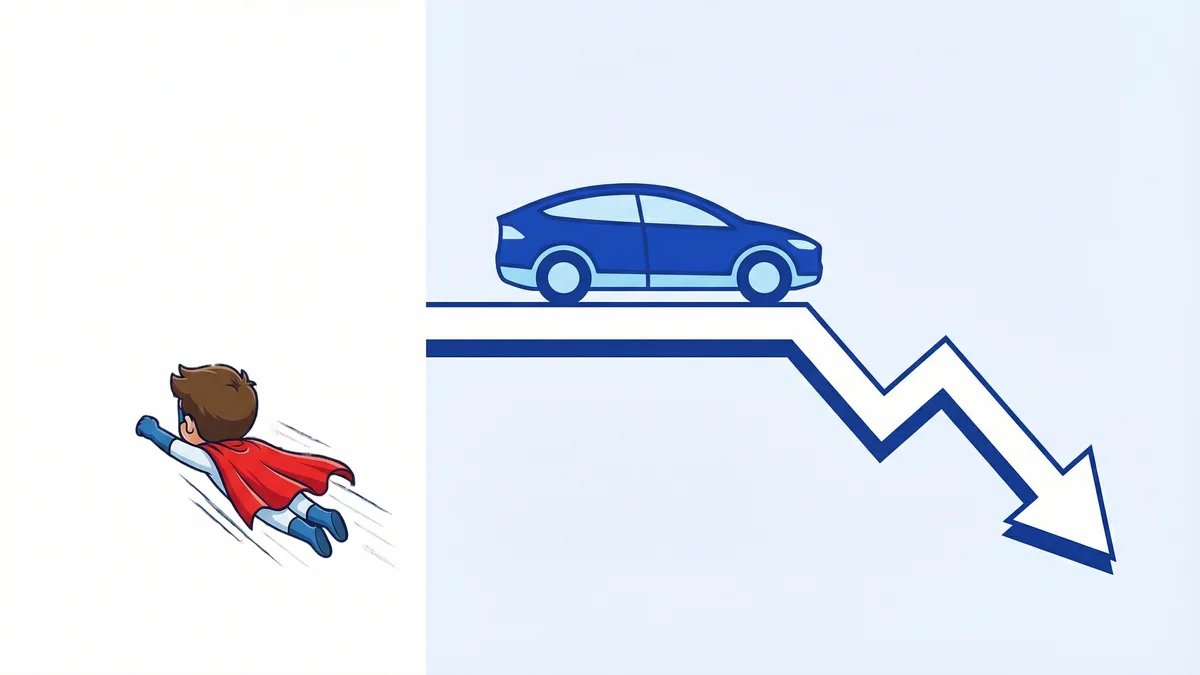
When reselling your vehicle, optional features like frunks don't typically recover their full cost. Buyers focus on core vehicle value, not add-ons. You'll likely lose some of that $495 investment when you sell or trade in your car.
The Broader Trend
Automakers are increasingly charging for features that were once standard. This practice helps manage production costs, especially when data shows limited usage. However, it means today's buyers need to carefully evaluate each add-on feature.
The Bottom Line
Skip the frunk unless you have a specific need for that storage space. The majority of owners don't use it enough to justify the cost. If you occasionally need extra compartment space, consider roof racks or cargo carriers as alternatives that cost less and provide more storage flexibility.